Advanced Cognitive Behavioural Skills: An Integrative Approach
FACE-TO-FACE KHDA-APPROVED TRAINING IN UAE 🇦🇪
ADVANCED TRAINING IN INTEGRATIVE CBT PRACTICE
This two-day programme examines how Cognitive Behavioural Therapy can be practised within a broader integrative framework. CBT provides the principal structure for assessment, case formulation and intervention, while relevant humanistic and psychodynamic concepts support a deeper understanding of the client and the therapeutic process.
Teaching combines theoretical discussion, clinical demonstrations, case material and structured role play. The emphasis is on developing clinically informed interventions that remain consistent with the collaborative and evidence-based principles of CBT.
Upcoming UAE Advanced Training Dates
JLT, Dubai
(Beside The Pullman Hotel)
Sheikh Rashid Bin Saeed Street
Abu Dhabi
“`
APPROACH TO THE TRAINING
- Integrative formulation: Connect current CBT maintenance cycles with relevant developmental, attachment and relational experiences.
- Clinical demonstrations: Observe how cognitive, humanistic and psychodynamic methods can be integrated in practice.
- Applied skills development: Practise advanced interventions through structured role plays and case discussions.
- Therapeutic relationship: Examine how the relationship can inform case formulation and support therapeutic progress.
Core Learning Outcomes
By the end of the programme, participants should be able to:
- Develop structured CBT formulations for complex or long-standing presentations, including depression, addiction, trauma and workplace-related trauma.
- Adapt cognitive interventions when standard methods have produced limited progress.
- Recognise how developmental and relational experiences influence beliefs, emotions and coping patterns.
- Use the therapeutic relationship to support engagement and psychological change.
- Identify factors contributing to therapeutic impasses and consider alternative ways of proceeding.
- Apply integrative CBT principles to depression, addiction and trauma-related presentations.
Course Content
1. Advanced Case Formulation
Developing formulations that connect current difficulties with core beliefs, coping patterns, developmental experiences and relevant interpersonal factors.
2. CBT and Depression
Working with negative automatic thoughts, hopelessness, withdrawal and self-critical beliefs. This section will also consider behavioural activation and the factors that maintain recurrent depression.
3. Addiction, Ambivalence and Relapse
Applying CBT to substance use and behavioural addictions, with particular attention to ambivalence, triggers, cravings, coping responses and relapse-prevention planning.
4. Trauma-Informed CBT
Understanding the influence of traumatic experiences on beliefs, emotional regulation, avoidance and interpersonal safety. Attention will be given to assessment, stabilisation, pacing and readiness for therapeutic work.
5. Workplace Trauma and Critical Incidents
Examining psychological responses to workplace accidents, violence, threats and other critical incidents. This section will consider early support, risk assessment, appropriate intervention and referral.
6. The Therapeutic Relationship and Clinical Impasses
Using humanistic and psychodynamic perspectives to understand engagement difficulties, defence mechanisms, recurring relational patterns and stalled therapeutic progress.
Registration & Pricing
Course Fee: AED 2900
Early Bird Discount Available – Secure Your Spot Now!
The limited group size allows time for clinical discussion, demonstrations, structured skills practice and individual feedback.
Who Should Attend?
This programme is intended for professionals who already have a theoretical and practical foundation in CBT, including:
- Psychotherapists and counsellors
- Psychologists and mental health practitioners
- Psychiatrists and allied healthcare professionals
- Social workers using structured psychological interventions
- Appropriately trained coaches working within their professional competence
Completion of the Foundation CBT course is normally required. The advanced programme assumes that participants can develop a basic CBT formulation, identify automatic thoughts and use Socratic questioning.
Applicants who have completed comparable CBT training elsewhere may contact us to have their previous training and experience considered.
A combined fee may be available for participants enrolling in both the Foundation and Advanced programmes.
Dr John Crimmins

My approach to training is experiential, relational and grounded in real therapeutic practice. Rather than relying mainly on lectures, I use the group as an active learning environment through clinical demonstrations, whole-group discussion, case material and structured role play. Participants have opportunities to observe how the work develops, practise the skills and reflect on what is happening within the therapeutic relationship.
The programme is professionally focused and is not group therapy. However, it recognises that advanced CBT skills are learned not only through theory, but also through participation, observation and reflection.
Upcoming UAE Advanced Training Dates
JLT, Dubai
(Beside The Pullman Hotel)
Sheikh Rashid Bin Saeed Street
Abu Dhabi
“`
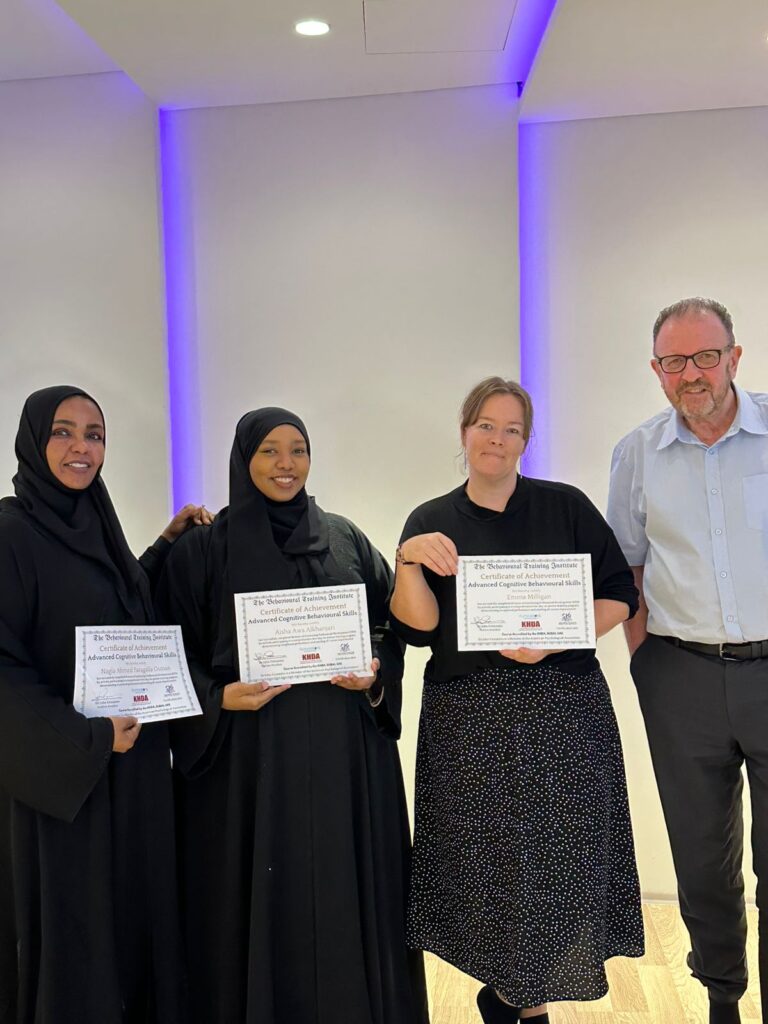
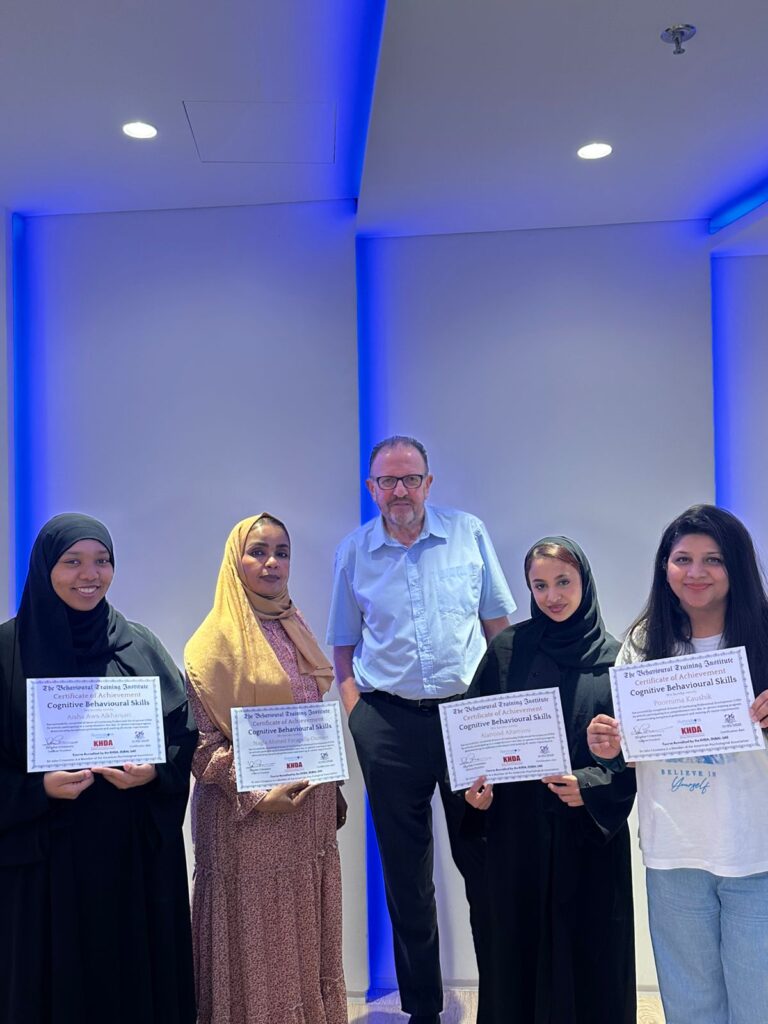
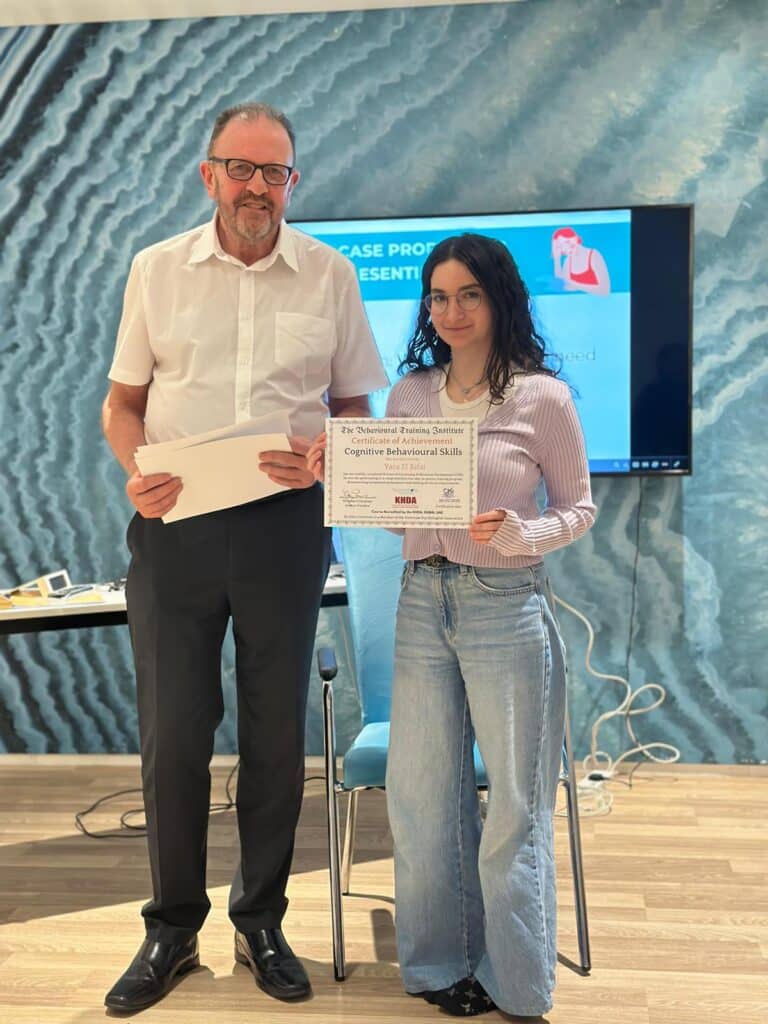
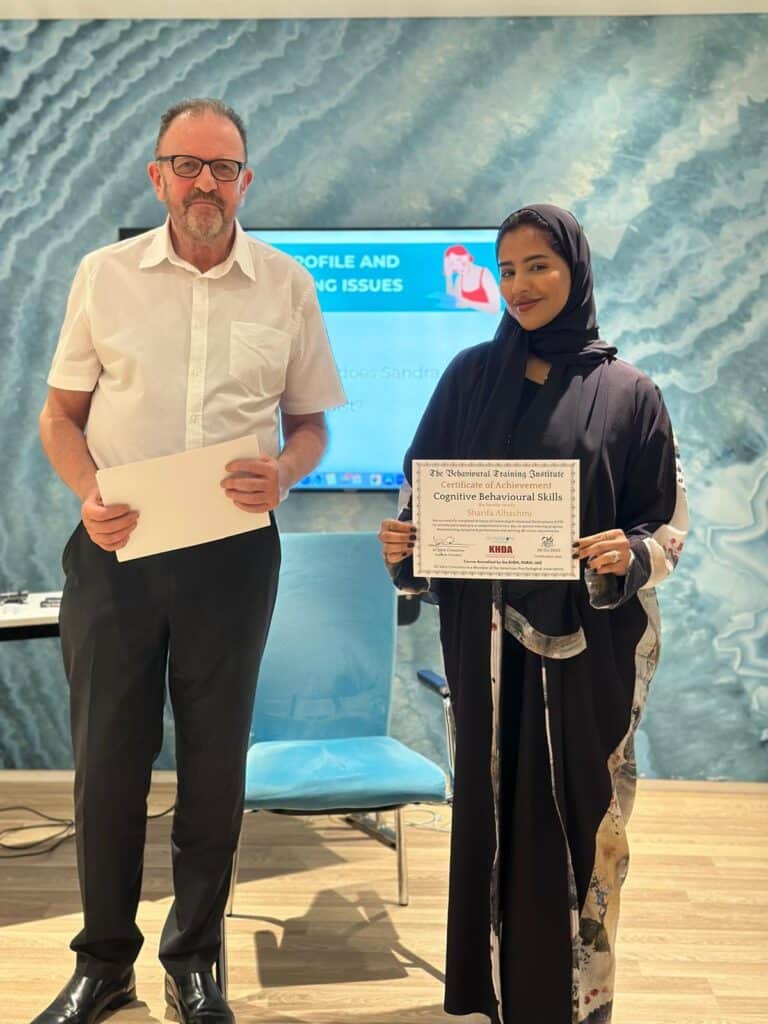
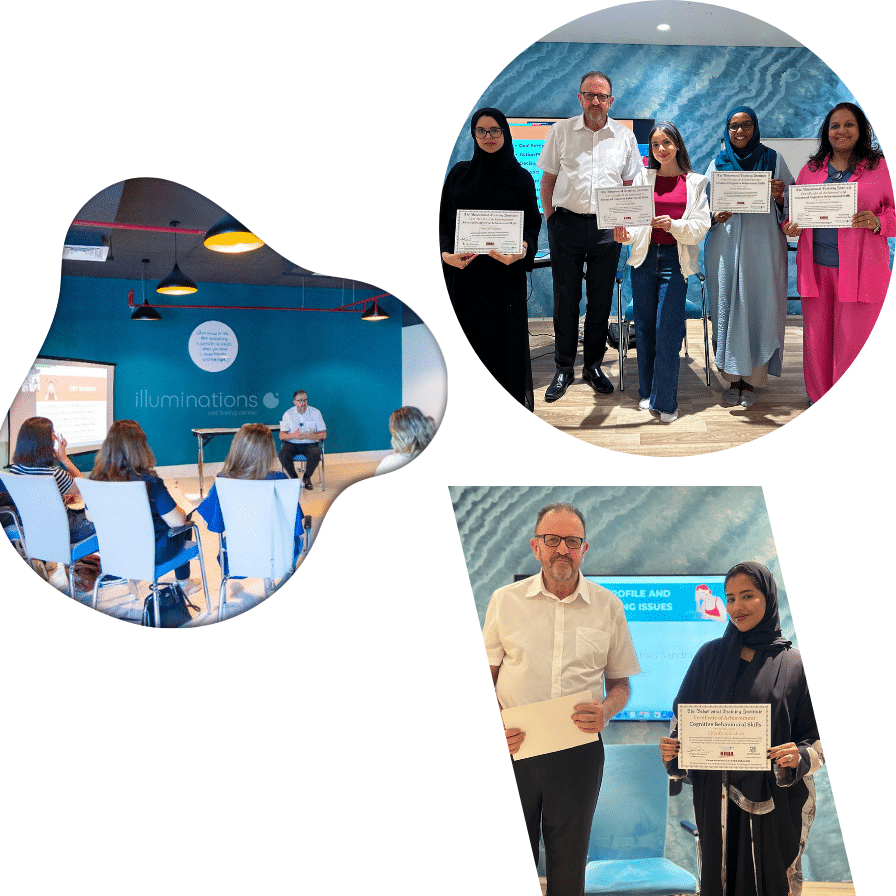
I recently attended a Cognitive Behavioural Therapy (CBT) in-person course led by Dr. John Crimmins, PhD, and it was a transformative experience. Dr. Crimmins skillfully brought together a culturally diverse group, guiding us through the fundamentals with empathy and expertise. His mastery of Socratic questioning and Rogers' approach provided us with practical, hands-on knowledge. Most importantly, he created a safe and secure environment, enabling us to discuss and practice ethical and practical aspects of running a CBT session. This weekend course was not only informative but also deeply engaging and inspiring. I highly recommend it to anyone looking to enhance their CBT skills.
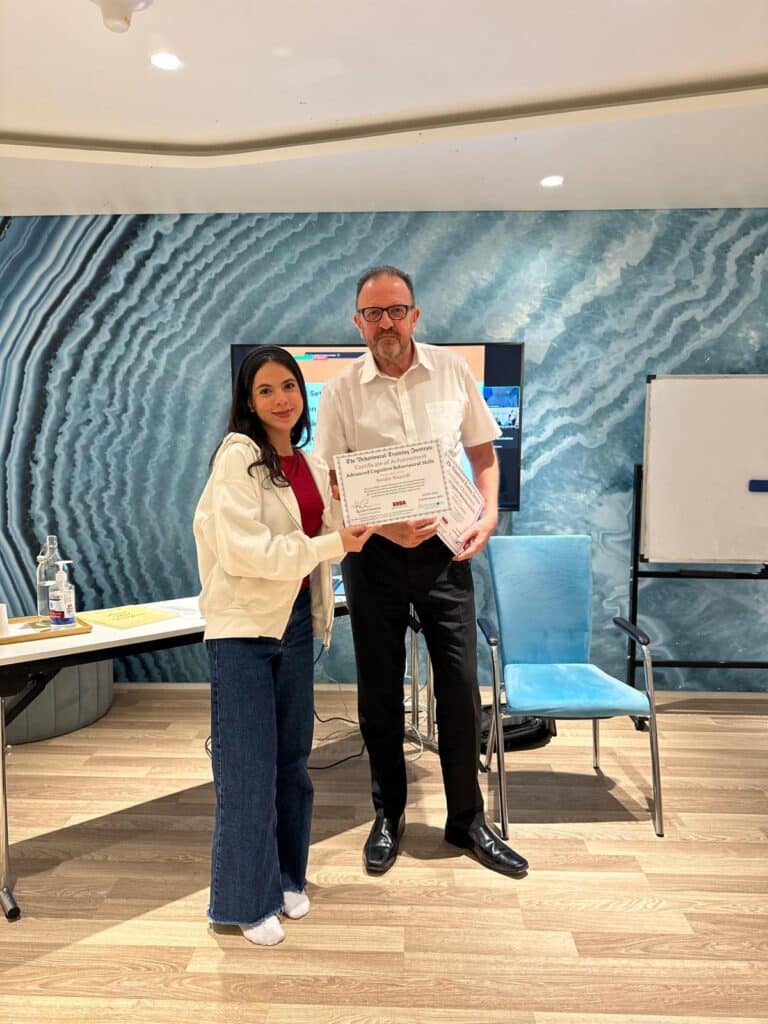
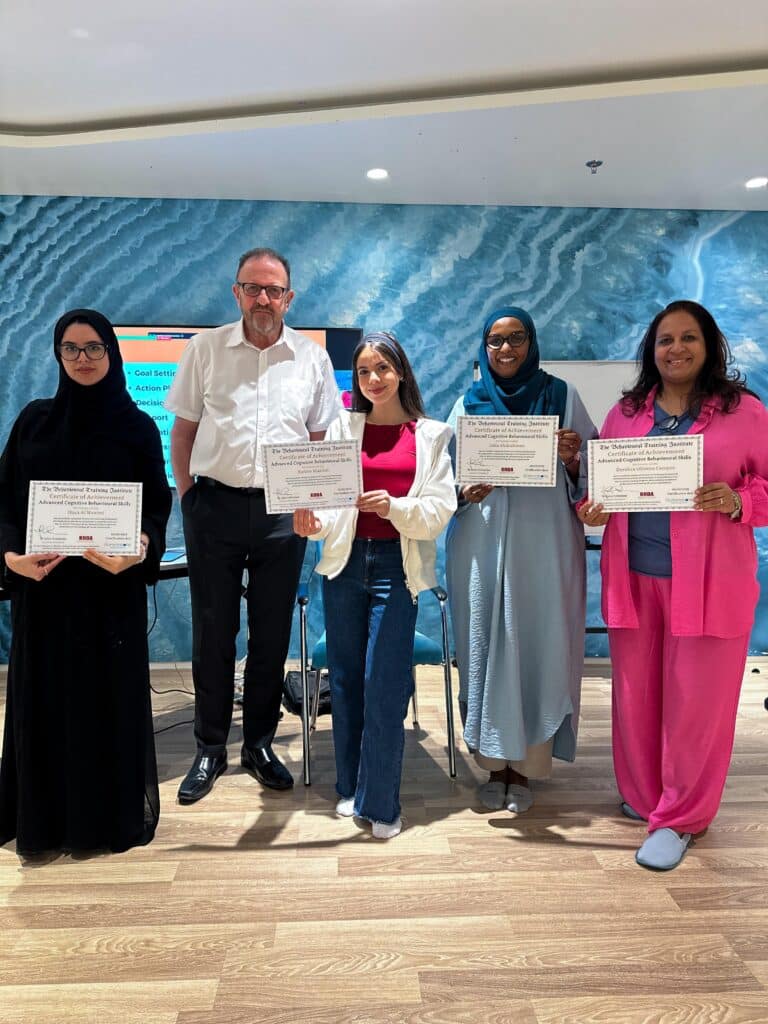
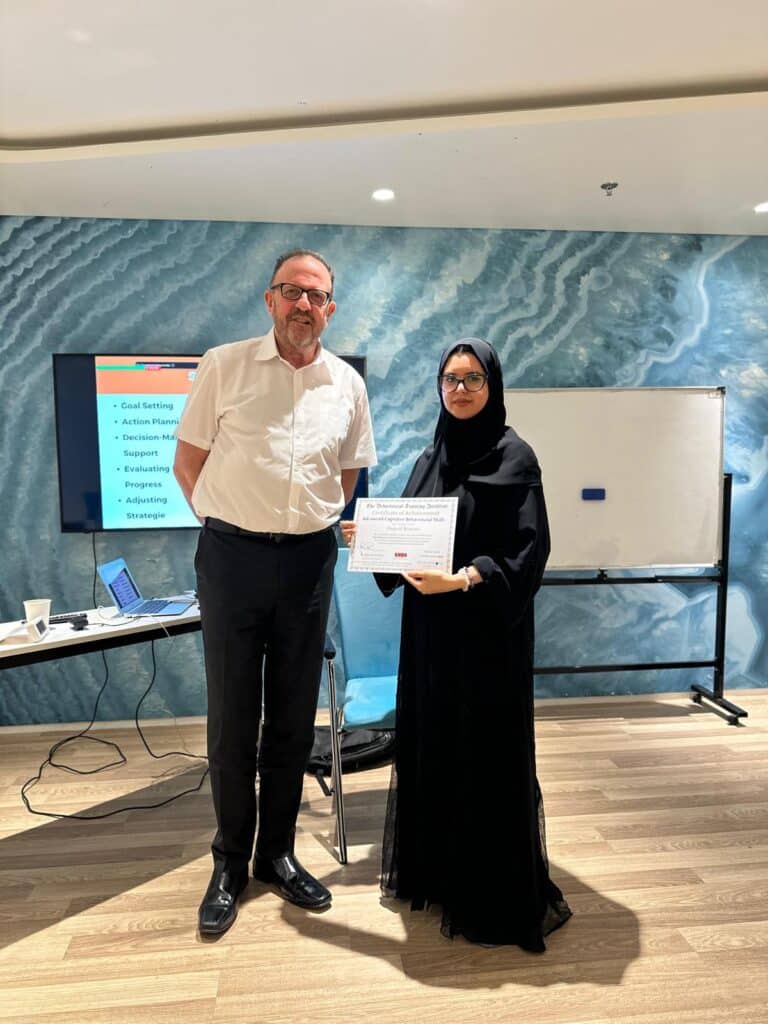
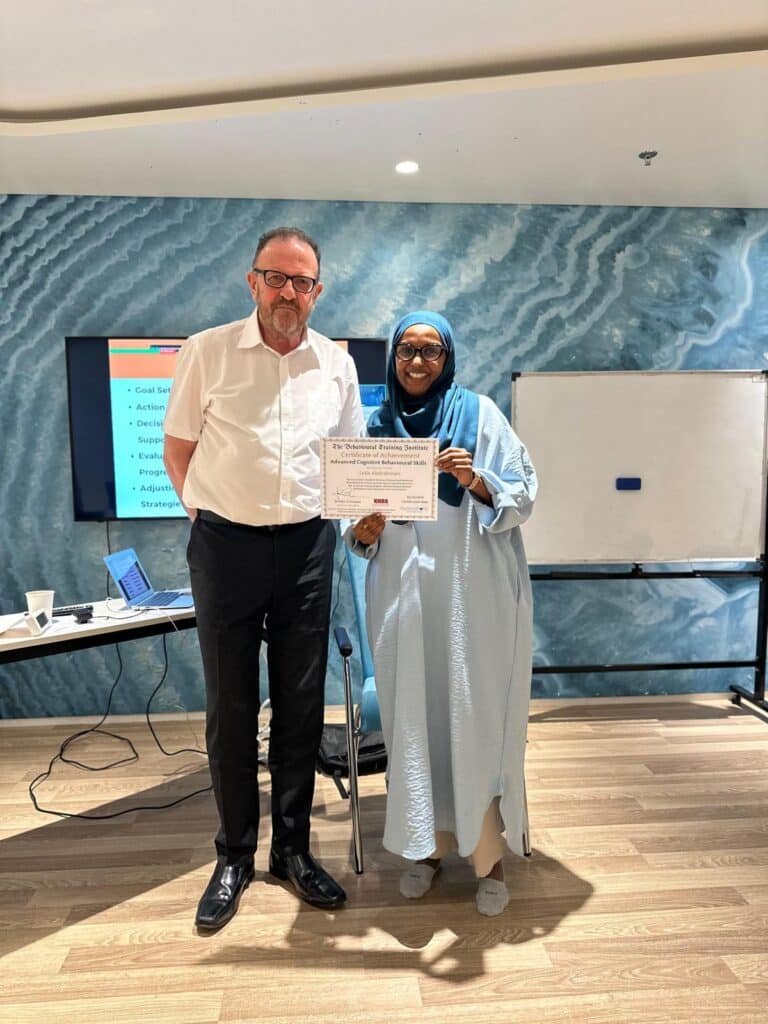
I’m excited to share that I’ve obtained a new certification on Advanced Cognitive Behavioural Therapy from The Behavioural Training Institute through Illuminations Well Being Center in Dubai! This intensive 32-hour in-person course was an incredible experience, blending academic learning with practical, hands-on techniques. Adding these skills to my toolkit as a mental health professional will help me provide even more effective support and guidance at work. A huge thank you to Dr John Crimmins PhD for being an amazing instructor, and to fellow participants for making this journey so enriching.
Attending the Two Day Advanced Cognitive Behavioural Therapy training course in Abu Dhabi proved to be a profoundly enriching professional endeavour. The course was thoughtfully structured and well-delivered through discussions, case analyses, and role-playing scenarios. We explored topics such as CBT and the Therapeutic Relationship, Mindfulness exercises and CBT’s application in addressing addiction ambivalence. The course has significantly enriched my skillset and confidence as a practitioner. I extend sincere appreciation to Dr. Crimmins for his invaluable mentorship. I wholeheartedly recommend potential learners to explore the institutes offerings and register for courses that suit their professional goals.