The Behaviour Institute · Online diploma
Diploma in
Eating Disorders
Deepen your understanding of eating disorders and develop a more informed, compassionate approach to supporting people living with these complex conditions.
Learn with Dr John Crimmins, whose experience includes specialist training at the Maudsley Hospital and founding an eating disorder treatment service in Dublin, Ireland.
CPD Certified · London
Study at your own pace
Lifetime access
Enrol now
Explore the course
6 units
A structured learning pathway
Online
Learn wherever you are
Tutor support
Ask questions as you study
£395
Single-payment course fee
Understanding the person
Look beyond food, weight
and outward behaviour.
Eating difficulties can carry deeply personal meanings. A fuller understanding considers emotions, relationships, identity and the wider context of a person's life.
This diploma gives you a structured way to explore those connections and reflect on how you respond as a helper. It brings psychological understanding together with the attitudes and skills that support a respectful therapeutic relationship.
Broaden your understanding
Explore different eating difficulties and the factors involved in their development and persistence.
Connect theory with helping
Consider how psychological ideas inform your questions, your listening and your response to distress.
See the wider picture
Reflect on family relationships, cultural pressures, body image and the experience of recovery.
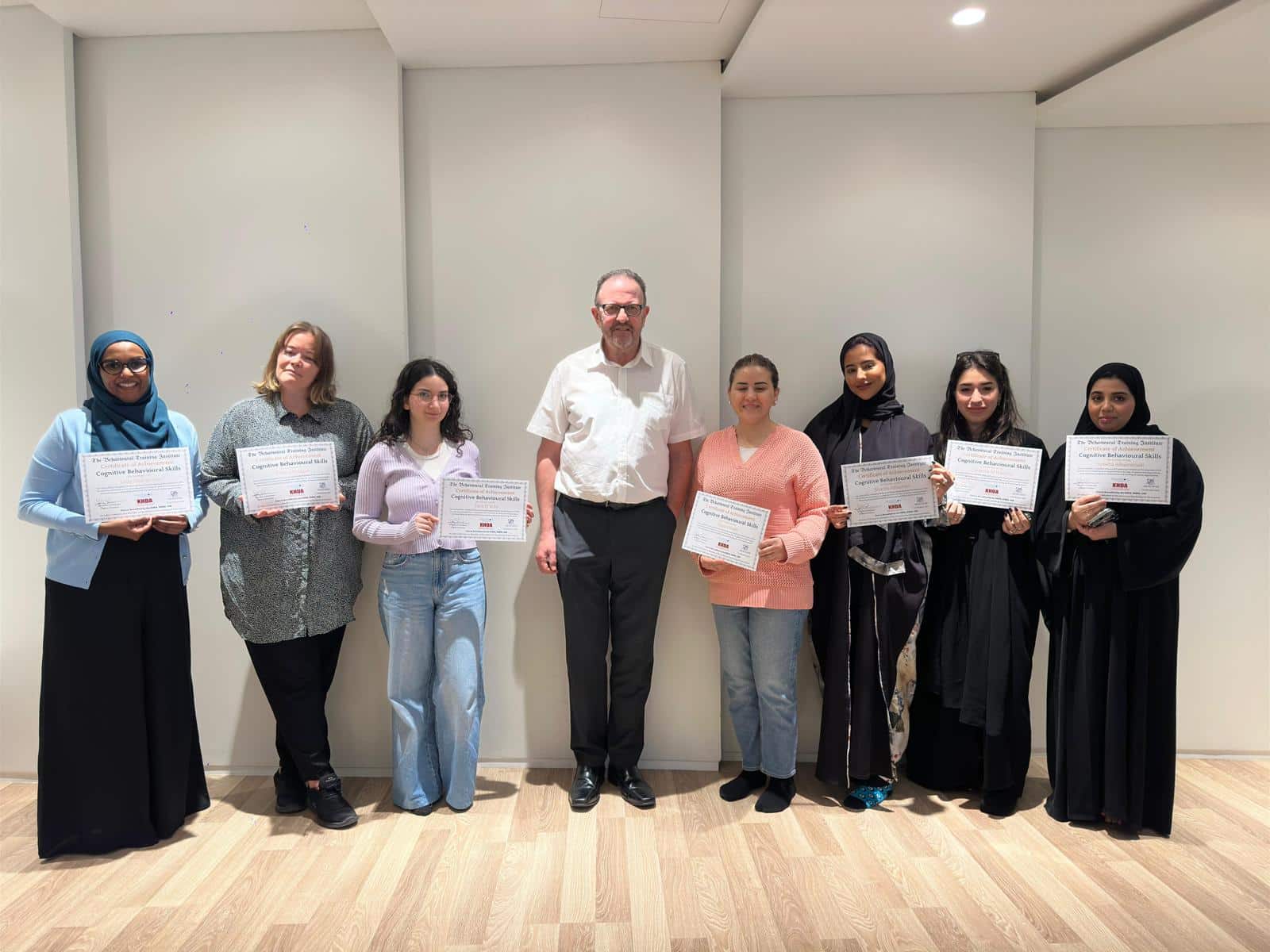
Your tutor · Dr John Crimmins
Specialist experience.
A personal approach.
Dr John Crimmins brings over 25 years of clinical experience to his teaching.
- Specialist training in eating disorders at the Maudsley Hospital, London.
- Founder of the Kildare Street Clinic eating disorder treatment service in Dublin, Ireland.
- Collaboration with Dr Anne Leader, one of Ireland's foremost eating disorder psychiatrists.
This experience informs his teaching, connecting psychological theory with the complexity of working with people affected by eating disorders.
My philosophy
Three perspectives. One compassionate approach.
“My approach brings together humanistic understanding of the person, psychodynamic insight into underlying emotional and relational patterns, and cognitive behavioural methods to address the thoughts and behaviours that maintain eating difficulties.
At its heart is a compassionate therapeutic relationship that helps people feel understood, explore the meaning of their difficulties and build lasting change.”
Dr John Crimmins · Founder, The Behaviour Institute
Learning outcomes
A deeper understanding.
A more thoughtful response.
By completing the course, you will be able to:
- Describe the main eating disorders and distinguish them from related eating and body-image concerns.
- Explain how biological, psychological and social factors may contribute to eating difficulties.
- Consider the influence of culture, media and family relationships.
- Compare the approaches to treatment, prevention and recovery explored in the course.
- Reflect on the helping skills and attitudes involved in supporting people and carers.
Who is this course for?
For professionals and students who want to deepen their understanding, including those working in counselling, psychology, healthcare and social care.
It is also open to people with a personal interest in eating disorders, including those in recovery.
No formal educational qualifications are required.
The diploma is educational and does not replace individual treatment or confer a professional licence to practise.
The curriculum
Six units to build your understanding.
Move through the material in sequence and revisit each topic whenever you need to.
Unit 1 · Types of eating disorders
Definitions and concepts; anorexia nervosa, bulimia, compulsive eating and other eating problems. The unit also considers related topics including obesity, body dysmorphic disorder, pica, anorexia athletica and cyclic vomiting.
Unit 2 · Understanding how difficulties develop
Predisposing, precipitating and perpetuating factors: biological influences, personality, family relationships, social context, stress, life transitions and cognitive patterns.
Unit 3 · Treatment, recovery and relapse
Medical intervention, prevention, counselling and therapy, the 12-step model, emotional needs, self-esteem and control.
Unit 4 · Body image and society
Food attitudes, dieting, body image, media messages, culture and gender.
Unit 5 · Eating disorders within the family
Family systems and dynamics, relationships with food, transitions, stress, dependency and co-dependency.
Unit 6 · Helping skills and attitudes
Counselling strategies, the qualities of an effective helper and support for carers.
Study that fits your life
Flexible learning, with support.
Online delivery
Work through reading materials, short videos and slide presentations in your own time.
Lifetime access means you can revisit the course without a completion deadline.
Two assignments
Submit one written assignment after Unit 3 and a second after Unit 6. Questions are available on your dashboard.
Your diploma is emailed after successful completion.
Expert tuition
Dr John Crimmins is available for questions about course content, helping you clarify ideas as you progress.
Study independently while staying connected to your tutor.
CPD Certified
Certified by the CPD Certification Service, London. Read about our accreditation.
Enrolment · Full payment
Pay once. Start learning today.
Enrol in the Diploma in Eating Disorders and receive your login details by email once payment is received.
Option 1 · Single payment
Full course payment
One payment covers your course access, tutor support and diploma upon successful completion.
- Lifetime access to all six units
- Online study at your own pace
- Two written assignments
- Support from Dr John Crimmins
Enrolment · Monthly payments
Spread the cost over four months.
The same diploma, course materials and tutor support, with the fee paid in four monthly instalments.
Option 2 · Subscription
Four monthly payments
Pay £99 when you enrol, followed by three further monthly payments of £99.
Total payable: £396.
Access begins once your first payment is received.
£99per month · 4 payments
Use the subscription checkout below.
Your questions answered
Frequently asked questions
How is the course delivered?
The diploma is delivered entirely online through reading materials, short videos and slide presentations. You study at your own pace.
How is the course assessed?
There are two written assignments, submitted after Unit 3 and Unit 6. Assignment questions are available on your course dashboard.
Do I need previous qualifications?
No formal educational qualifications are required. The course is open to professionals, counselling and psychology students, and people seeking a deeper understanding of eating disorders.
Can I contact the tutor?
Yes. Dr John Crimmins is available for questions about the course content.
How long do I have access?
You have lifetime access to the course materials, with no deadline for completion.
What does the course cost?
The single-payment fee is £395. A payment plan of four monthly payments of £99 is also available, totalling £396. Use the subscription checkout in the monthly payments section.
Does this diploma qualify me to practise independently?
This is a continuing professional development course. It builds knowledge and understanding; it does not confer a professional licence or replace the qualifications, supervision and registration required for clinical practice.